Philosophy & Process
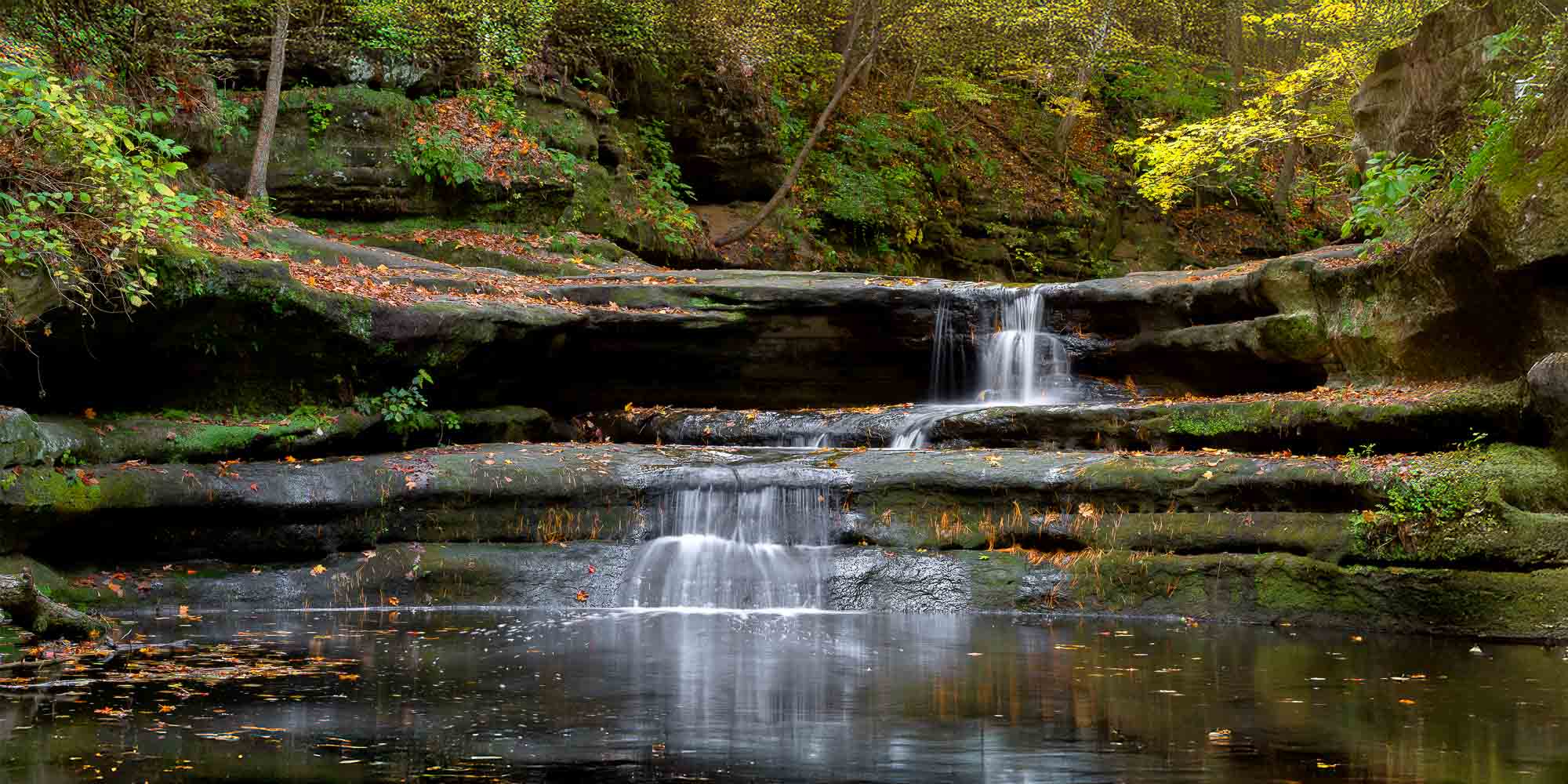
Photography begins long before the shutter is pressed. It begins with slowing down, with staying present long enough for light, movement, and place to reveal themselves. Rather than arriving with a preconceived image in mind, the work is shaped by observation — by watching how a scene changes, how light shifts, and how moments quietly gather before resolving.
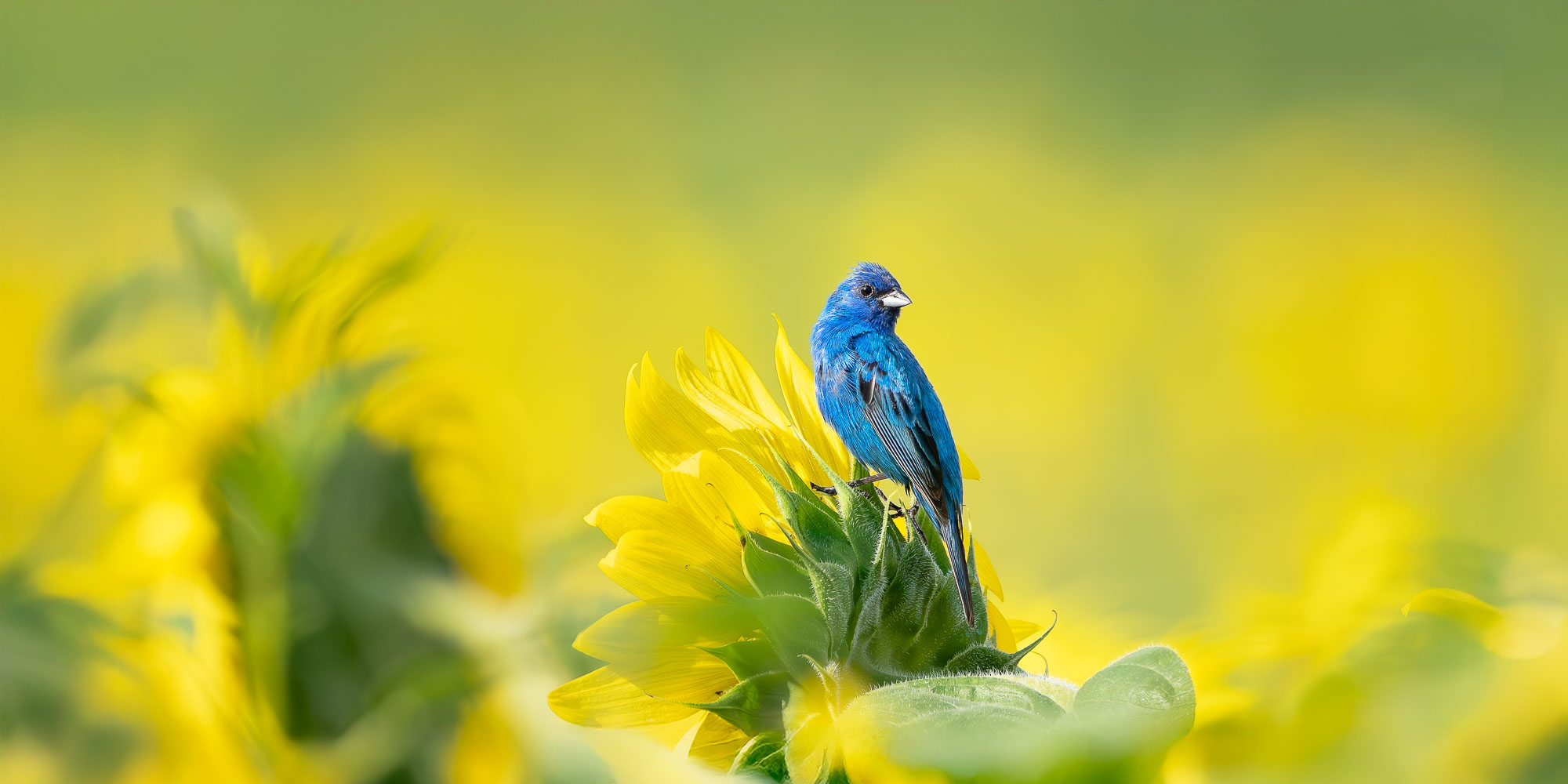
The natural world has always been my point of return. Birds in flight, open landscapes, subtle transitions between sky and earth — these subjects reflect a rhythm that exists without instruction or control. They remind me that beauty is often understated, fleeting, and easily missed unless we take the time to look closely.
At the heart of my work are a few guiding principles: Observation ~ Capture ~ Interpretation ~ Restraint ~ Authenticity & Transparency
What matters most is not being first or fast, but being present.
Why This Work Lives Here
This work is created to be experienced with intention. A dedicated space allows images to be seen with the scale, pacing, and continuity of their making. Here, the work is not compressed, hurried, or reduced to a passing moment, but given the time and context it requires to fully reveal itself.
The experience is unbound by trends, feeds, or algorithms, allowing each image to exist on its own terms. This site exists as a permanent home for the images, shaped by the same values that guide their creation: patience, presence, and respect for the moment.
On Editions and Provenance
Framed prints are offered as Open Editions with Provenance, each accompanied by clear documentation through an artwork label attached to the piece. This decision is intentional. Photography, by its nature, is reproducible without loss of integrity, and the value of an image lies not in artificial scarcity, but in the care with which it is made, presented, and preserved.
The artwork label documents the image’s origin, materials, and authorship, ensuring transparency and continuity, while allowing the work to remain accessible—honoring both the photograph and the viewer.
Philosophy & Process
Photography begins long before the shutter is pressed. It begins with slowing down, with staying present long enough for light, movement, and place to reveal themselves. Rather than arriving with a preconceived image in mind, the work is shaped by observation — by watching how a scene changes, how light shifts, and how moments quietly gather before resolving.
The natural world has always been my point of return. Birds in flight, open landscapes, subtle transitions between sky and earth — these subjects reflect a rhythm that exists without instruction or control. They remind me that beauty is often understated, fleeting, and easily missed unless we take the time to look closely.
At the heart of my work are a few guiding principles: Observation ~ Capture ~ Interpretation ~ Restraint ~ Authenticity & Transparency
What matters most is not being first or fast, but being present.
Why This Work Lives Here
This work is created to be experienced with intention. A dedicated space allows images to be seen with the scale, pacing, and continuity of their making. Here, the work is not compressed, hurried, or reduced to a passing moment, but given the time and context it requires to fully reveal itself.
The experience is unbound by trends, feeds, or algorithms, allowing each image to exist on its own terms. This site exists as a permanent home for the images, shaped by the same values that guide their creation: patience, presence, and respect for the moment.
On Editions and Provenance
Framed prints are offered as Open Editions with Provenance, each accompanied by clear documentation through an artwork label attached to the piece. This decision is intentional. Photography, by its nature, is reproducible without loss of integrity, and the value of an image lies not in artificial scarcity, but in the care with which it is made, presented, and preserved.
The artwork label documents the image’s origin, materials, and authorship, ensuring transparency and continuity, while allowing the work to remain accessible—honoring both the photograph and the viewer.
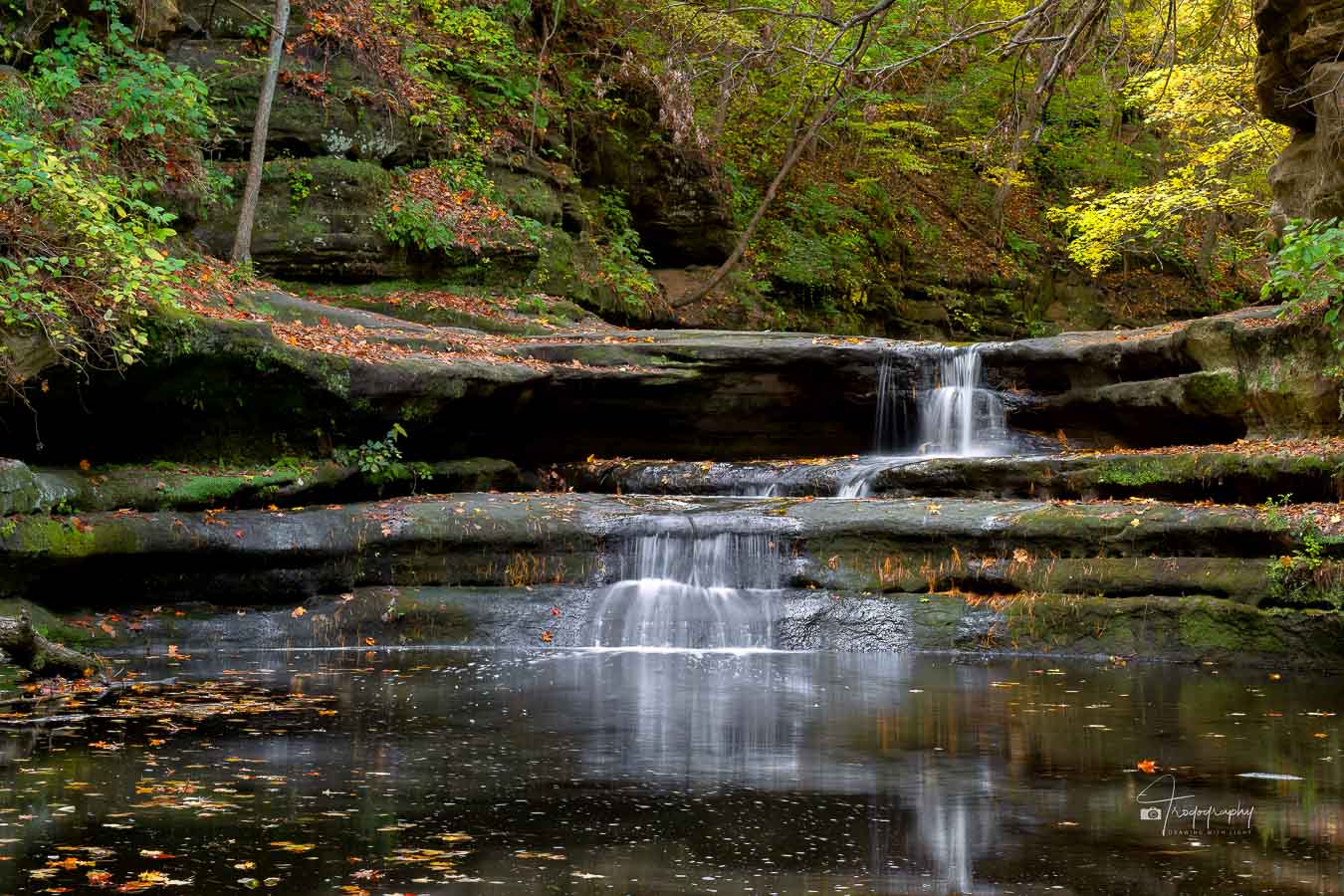
Every image begins with attention. Over time, familiarity replaces novelty, and understanding replaces urgency. A place reveals its patterns gradually—how it shifts, how it holds still, and how it offers moments only to those willing to wait.
Observation is not passive. It requires patience, curiosity, and restraint—the willingness to remain without expectation, allowing the scene to unfold naturally, without forcing it toward an outcome.
The act of photographing takes place entirely in the field. Subjects are encountered as they exist: wildlife is not pursued or pressured, and landscapes are not rearranged or staged. The goal is not proximity at any cost, but respect—recognizing when to step closer, and when to step back.
Capture is shaped by patience more than urgency. Time is spent waiting, observing how light moves, how behavior unfolds, and how a moment resolves on its own. Some images emerge naturally; many do not. Knowing when not to make a photograph is as much a part of the process as knowing when to press the shutter.
Every photograph begins as light passing through a camera and lens, recorded in real time, under real conditions. What is captured is not forced or anticipated, but recognized—an alignment of presence, restraint, and timing—something that cannot be hurried or repeated.

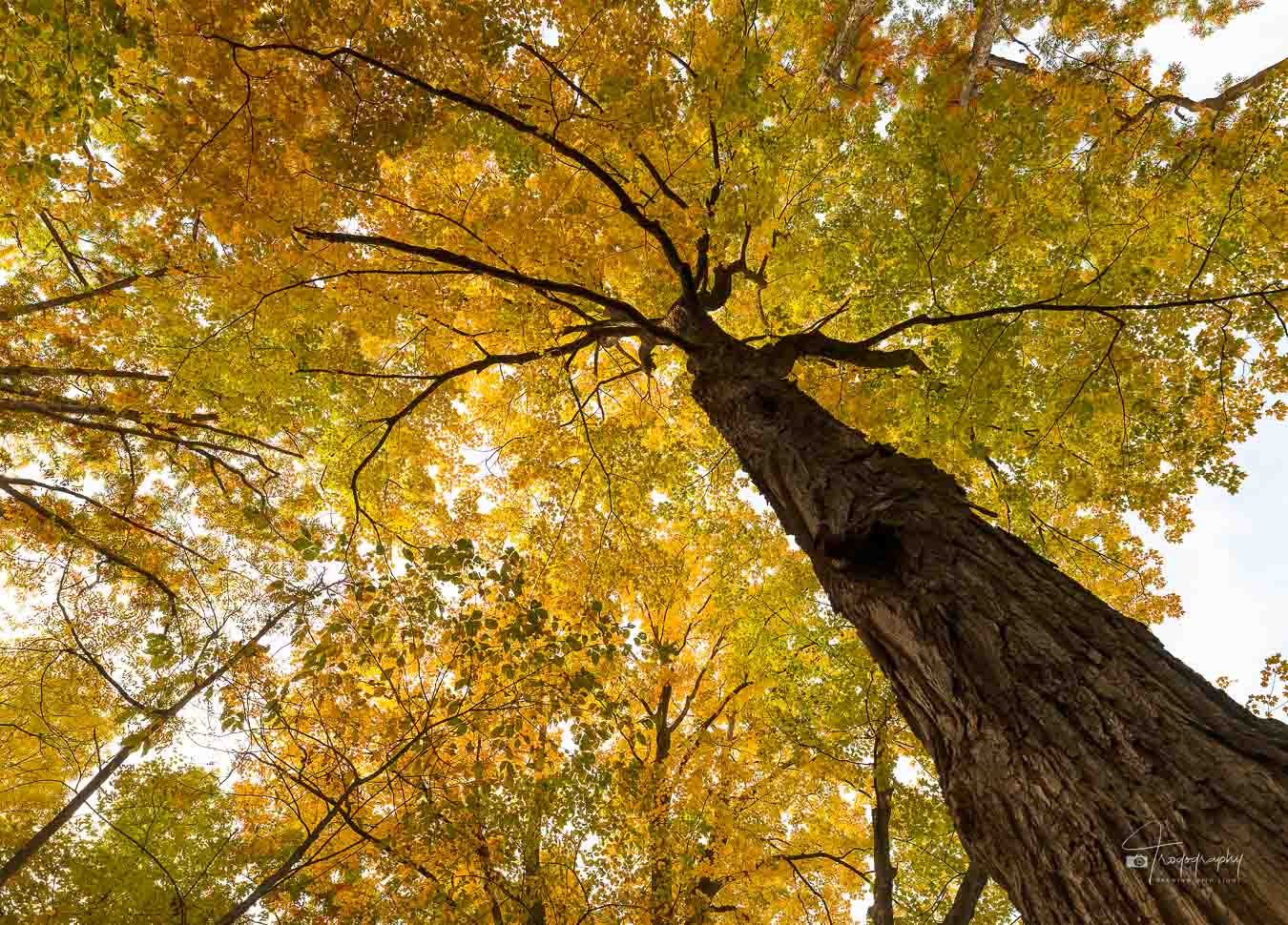
Post-processing is not an act of invention, but of interpretation. Working from RAW files, adjustments are made to bring the image closer to what was experienced—refining color, tone, contrast, and balance while preserving the integrity of the scene.
Distractions that do not belong to the natural moment—dust spots, minor visual interruptions, fleeting elements—may be removed. What is never added are subjects, landscapes, or elements that were not present. The aim is clarity, not embellishment.
Cropping is used to focus attention without altering meaning. The image remains rooted in what was seen.
A simple question guides every interpretive decision: Is this faithful to a moment as it was experienced—or to one that could genuinely occur?
Restraint is a guiding principle throughout the process. Not every alignment is meant to be recorded, and not every encounter needs to become an image. Some moments are strongest precisely because they are allowed to pass.
When composites are created, they are built only from photographs I have personally captured and are disclosed as such. These images remain grounded in real-world moments rather than constructed scenes.
If an image cannot answer yes to the guiding question, it belongs elsewhere.
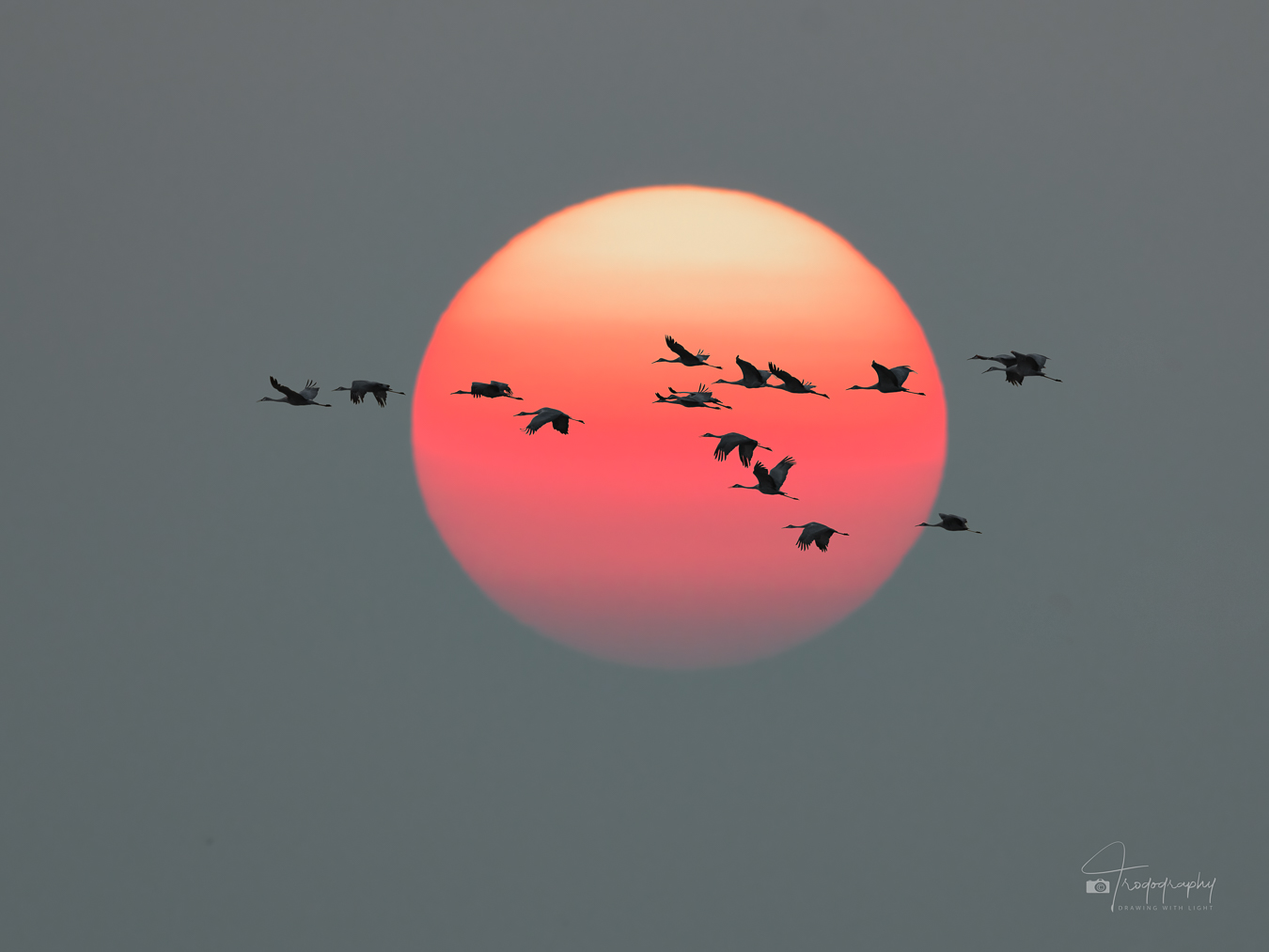
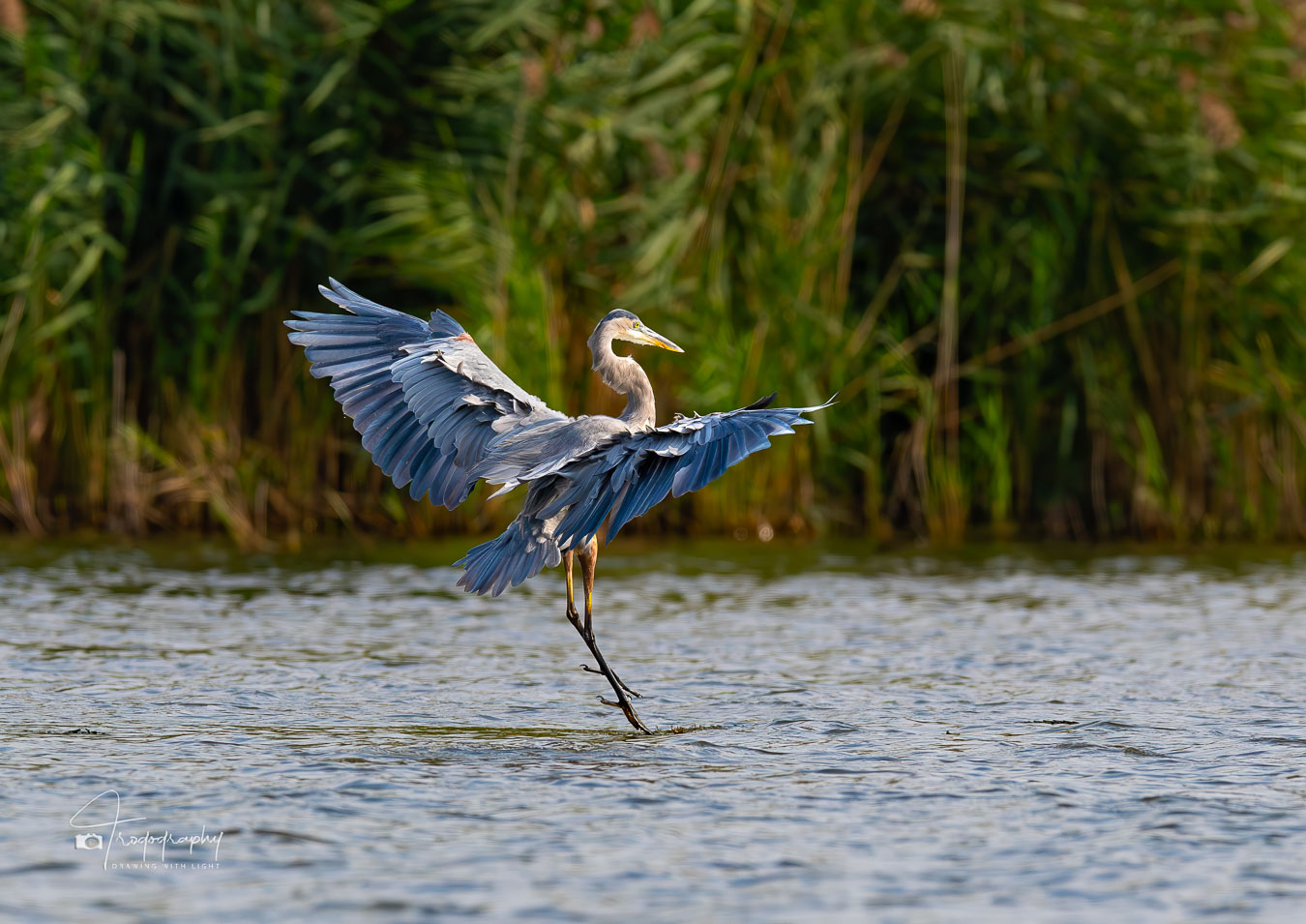
All fine art images presented on this site are photographs captured by me using my camera and lenses in real locations. I do not use AI to generate wildlife, landscapes, or primary elements of an image. Post-processing tools, including modern software that may incorporate AI-assisted features, are used only to interpret and refine photographs — such as adjusting color, tone, or removing minor distractions — not to fabricate scenes or subjects.
Any images created primarily with AI are clearly identified as such. Any composites created from multiple photographs I have captured are disclosed. Transparency is essential to maintaining trust between the artist, the work, and the viewer.
Photography is an act of attention — a way of acknowledging that the world is always changing, and that no moment can be repeated. Light shifts, seasons turn, behavior changes, and what appears still is always in motion.
The role of the photographer is simply to recognize when alignment occurs and be ready. The resulting images are quiet records of presence — invitations to slow down, look closely, and reconnect with the beauty that continues to exist all around us.